Inpatient Residential Treatment
Find Inpatient Residential Treatment centers across Canada. Browse verified facilities offering evidence-based Inpatient Residential Treatment programs.
Medical disclaimer: This content is for informational purposes only and does not constitute medical advice, diagnosis, or treatment. Always consult a qualified healthcare professional before making decisions about addiction treatment.
Inpatient Residential Treatment
Inpatient residential treatment is the most intensive level of addiction care. Individuals live at the treatment facility 24 hours a day, 7 days a week — typically for 30 to 90 days — receiving structured programming, peer community, clinical supervision, and a controlled environment free from substances. It is designed for people with severe addiction, co-occurring mental health conditions, failed outpatient attempts, or unstable home environments.
Who Residential Treatment Is For
Residential treatment is best suited for people who meet one or more of the following:
- Severe addiction — using daily, unable to stop despite serious consequences
- Previous failed attempts at outpatient treatment
- Co-occurring mental health conditions such as depression, anxiety, PTSD, or bipolar disorder
- Unstable or unsafe home environment — family members using, domestic violence, homelessness
- High relapse risk due to social environment or triggers
- Medical complexity requiring supervised withdrawal
What a Day in Residential Treatment Looks Like
Morning (6:30 AM – 12:00 PM)
The day begins with structured morning routines — breakfast, personal hygiene, optional meditation or exercise. Group therapy sessions run from approximately 8:00 to 10:00 AM, followed by psychoeducational sessions covering addiction science, relapse prevention, and healthy communication.
Afternoon (1:00 PM – 5:00 PM)
Individual therapy sessions (typically 1 to 3 per week), skill-building groups covering CBT, mindfulness, stress management, financial planning, and employment readiness. Afternoons may also include family therapy sessions or peer support activities.
Evening (5:00 PM – 9:00 PM)
Shared meals, free time for writing, reading, or phone calls with family. Evening programming typically includes AA, NA, or SMART Recovery meetings, guest speakers, or yoga. Lights out by 11:00 PM — sleep is essential in early recovery.
Treatment Modalities
- Cognitive Behavioural Therapy (CBT) — Identify triggers, change thought patterns, change behaviour
- Motivational Interviewing (MI) — Resolve ambivalence and build internal motivation for recovery
- Family Therapy — Address family dynamics, rebuild relationships, involve loved ones in recovery
- Mindfulness and Meditation — Build awareness, reduce cravings, manage stress and emotions
- Exercise and Fitness — Physical health supports mental health and builds routine
- Art and Recreation Therapy — Express emotions and find joy outside substance use
Program Duration: 30, 60, or 90 Days
30 days — Suitable for mild to moderate addiction, first treatment attempt, strong support system at home. Success rate approximately 40%.
60 days — Better suited for moderate to severe addiction, multiple relapses, or co-occurring conditions. Success rate approximately 55%.
90 days or more — Best for severe addiction, trauma, dual diagnosis, or unstable home life. Success rate 60% or higher.
The single best predictor of long-term recovery is completing the full program. A completed 30-day program beats an abandoned 90-day program every time.
Access and Cost in Canada
Publicly Funded Residential
- Free — covered by provincial health insurance
- Wait time typically 2 to 8 weeks; longer in remote areas
- Programs typically 28 to 35 days in length
- Access via doctor referral or provincial addiction helpline
Private Residential
- $10,000 to $50,000 or more for 30 to 90 days
- Often available within 1 to 7 days
- Flexible program length; range from basic to luxury settings
- Payment via out-of-pocket, private insurance, or payment plans
Life After Residential: The Critical 90 Days
Discharge from residential treatment is the beginning, not the end. The first 90 days at home carry the highest relapse risk. Weeks 1 and 2 are the most vulnerable — continuing intensive outpatient or IOP, attending daily support group meetings, and staying closely connected to a sponsor or support network are essential. By months 1 and 2, establishing structured daily routine through work, school, exercise, and therapy prevents relapse. Ongoing aftercare — counselling, groups, and medical follow-up — is maintenance for long-term recovery, not optional extras.
Sources & Further Reading
Last reviewed
April 14, 2026
Centers Offering Inpatient Residential Treatment
Alcare Place (now 2 Denarii Society) in Halifax/Dartmouth provided an 11-bed one-year residential recovery program for men 19+, offering life skills, relapse prevention, individual counselling, and holistic care partnered with the Nova Scotia Department of Health and Wellness.
Alcove Addiction Recovery for Women
Alcove Addiction Recovery for Women is a Calgary treatment centre offering gender-specific inpatient, outpatient, IOP, and sober living programs with holistic therapies for women overcoming addiction to alcohol, drugs, and other substances.
Algoma Substance Abuse Rehabilitation Centre
Algoma Substance Abuse Rehabilitation Centre (Breton House) in Sault Ste. Marie provides gender-specific residential and outpatient addiction treatment for adults in the Algoma region.
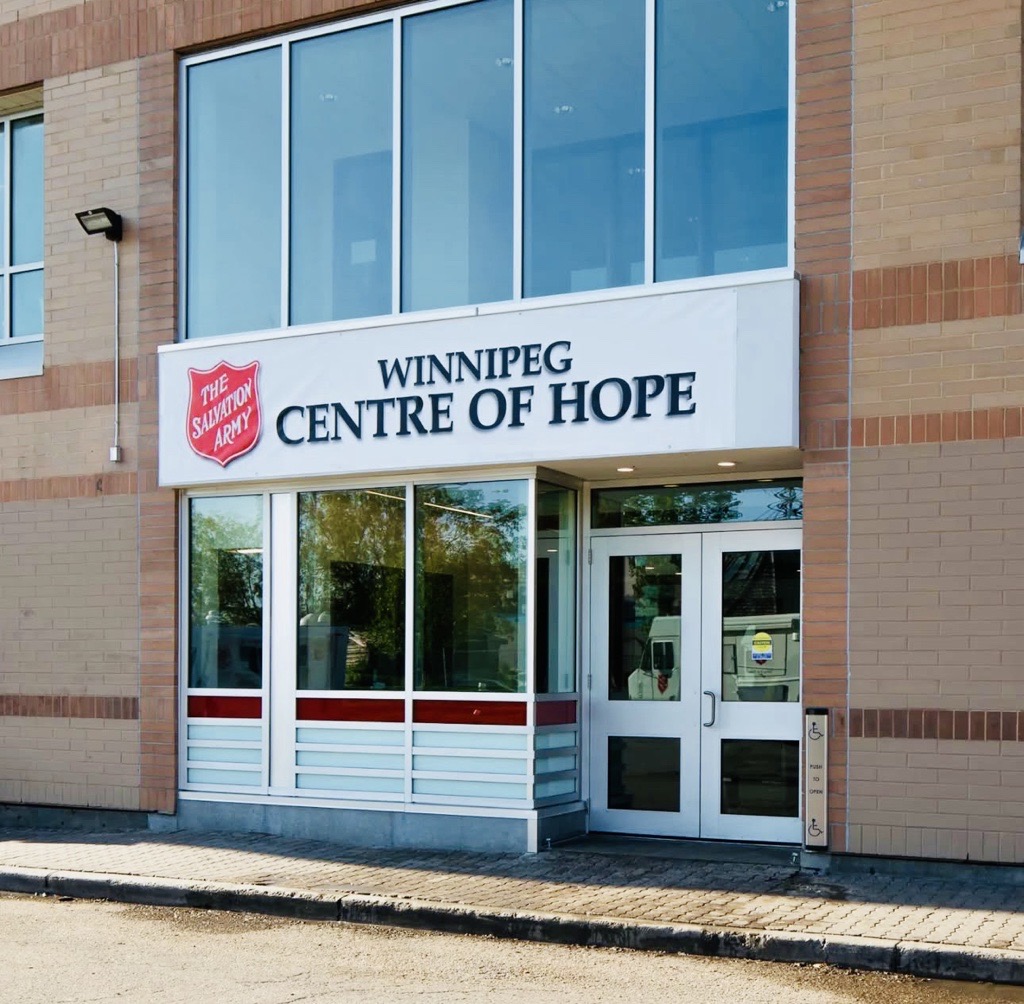
The Salvation Army Anchorage Booth Centre (now Winnipeg Centre of Hope) at 180 Henry Avenue provides residential addiction recovery, emergency shelter, transitional housing, aftercare, and wraparound community support for individuals and families in Winnipeg's core.
Attitude Centre de Ressourcement
Centre Attitude de Ressourcement in Piedmont, Quebec offers intensive residential addiction treatment in the Laurentians, emphasizing personal transformation and reconnection with self.
Awakenings Health and Wellness Centre
Awakenings Health and Wellness Centre in Abbotsford offers medically supervised detox, inpatient residential treatment, holistic therapy, and outpatient services for individuals dealing with alcohol, opioid, benzodiazepine, and other substance use disorders in the Fraser Valley.
BC Teen Challenge's Okanagan Men's Centre in Lake Country is a long-term faith-based residential recovery program for men, offering a minimum 12-month live-in program plus 18-month aftercare in a rural Okanagan Valley setting with holistic programming and Christ-centred recovery.
The Salvation Army Victoria ARC's Beacon of Hope House in Victoria provides inpatient residential addiction recovery, housing support, holistic counselling, and community services for individuals navigating addiction and homelessness on Vancouver Island.
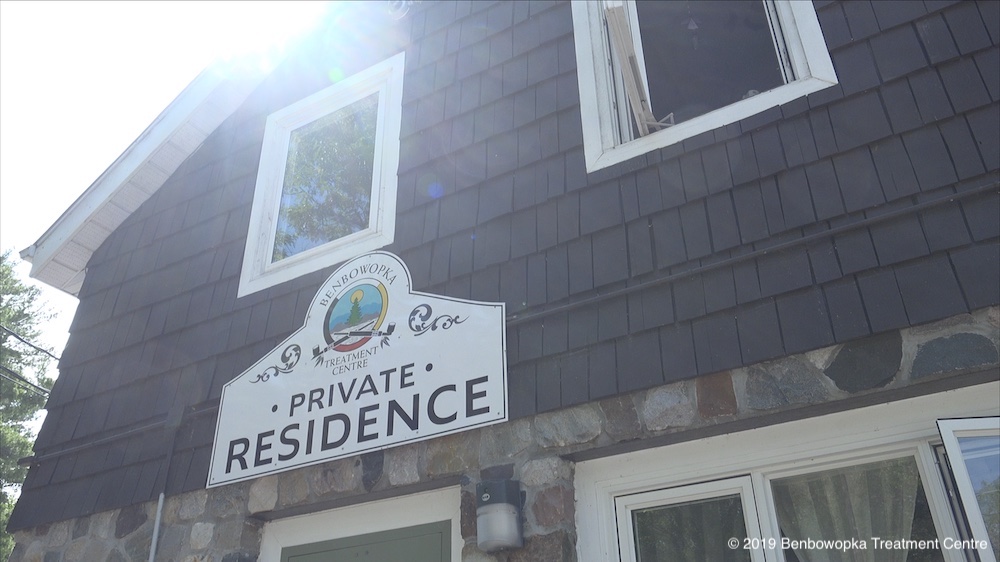
Benbowopka Treatment Centre
Benbowopka Treatment Centre in Blind River, Ontario is an Indigenous-led residential treatment centre founded by seven First Nations communities, offering culturally based harm-reduction inpatient and outpatient programming.
Bonnyville Indian Metis Rehabilitation Centre is a licensed 42-day residential addiction treatment facility in Bonnyville, Alberta, offering individualized, culturally grounded care that blends Indigenous healing practices with professional counselling for alcohol and drug addiction.
Brock Cottage
Brock Cottage in Brockville, Ontario is an LLGAMH residential addiction treatment home for men 19+, offering a long-term abstinence-based program of 5–7 months with therapeutic community programming.
Centre de Readaptation en Dependance de Lanaudiere - Centre Andre-Boudreau
Centre André-Boudreau in Saint-Jérôme, Quebec provides specialized outpatient addiction rehabilitation for youth and adults in the Lanaudière region, integrated within the CISSS de Lanaudière health network.
Centre de Readaptation Ubald-Villeneuve
Centre de Réadaptation Ubald-Villeneuve in Quebec City is the Capitale-Nationale's only public specialized addiction facility, offering residential, IOP, and dual diagnosis programming for youth and adults.
Centre Walgwan
Centre Walgwan in Maria, Quebec provides culturally grounded residential and outpatient addiction treatment for Indigenous youth, focused on empowering autonomous and resilient young people.
Charles J. Andrew Healing Centre in Sheshatshiu, Labrador is a CAC-accredited 10-bed Indigenous residential treatment facility offering 12-week adult programs and youth services combining 50% clinical trauma-informed care with 50% Nutshimit land-based healing for Innu and First Nations peoples.
Charlford House in Burnaby is a 15-bed, 90-day residential recovery program for women 19+, offering trauma-informed, abstinence-based treatment using a Surrogate Family Model, Twelve-Step programming, holistic therapies, and aftercare support as part of the Together We Can network.
Crosbie House in New Minas, NS is a not-for-profit residential addiction centre offering a 4-6 week structured programme with individual and group therapy, family support, holistic care, and on-site gym facilities, with a 75% one-year abstinence rate.

The Edmonton Addictions and Residential Centre at the Salvation Army Centre of Hope offers residential addiction treatment, stabilization, sober living, and transitional housing for men, with Canadian Accreditation Council accreditation and faith-informed wraparound care.
Freedom Outreach Challenge
Freedom Outreach Challenge in Denare Beach, Saskatchewan provides faith-based, gender-specific residential and outpatient addiction treatment for northern Saskatchewan communities.
Fresh Start South Country is the Lethbridge residential treatment location of Fresh Start Recovery Centre, offering inpatient addiction treatment with dual diagnosis support, holistic therapies, and aftercare programming for adults in southern Alberta.