Methamphetamine Addiction Treatment
Find Methamphetamine Addiction Treatment centers across Canada. Browse verified treatment facilities offering evidence-based programs for methamphetamine addiction.
Medical disclaimer: This content is for informational purposes only and does not constitute medical advice, diagnosis, or treatment. Always consult a qualified healthcare professional before making decisions about addiction treatment.
Methamphetamine addiction treatment in Canada provides structured, evidence-based care for individuals struggling with meth use disorder. Canadian treatment centres offer residential and outpatient programs combining behavioural therapy, peer support, and holistic services to support long-term recovery from methamphetamine addiction.
Understanding Methamphetamine Addiction
Methamphetamine (meth) is a highly addictive synthetic stimulant that causes a massive release of dopamine— up to 12 times the normal amount—creating intense euphoria, energy, and confidence. While less than 1% of Canadians report methamphetamine use, it causes disproportionate harm due to its severe neurotoxic effects and the extreme behavioral changes it produces. Crystal meth, the most common form, is smoked for rapid onset and intense high.
Unlike cocaine‘s short-lived effects, methamphetamine remains active in the brain for 8-12 hours, prolonging the dopamine surge and causing extensive damage to dopamine neurons. This neurotoxicity leads to cognitive deficits, motor problems, and psychiatric symptoms that can persist long after stopping use. The good news: research shows significant brain recovery is possible with sustained abstinence.
Neurotoxic Damage
Methamphetamine directly damages dopamine and serotonin neurons through oxidative stress and excitotoxicity. Brain imaging shows reduced dopamine transporters and altered brain metabolism even after months of abstinence.
Warning Signs
- • Extreme weight loss and dental decay (“meth mouth”)
- • Skin sores from compulsive picking
- • Paranoia, hallucinations, violent behavior
- • Prolonged wakefulness (days without sleep)
- • Rapid deterioration in appearance
Recovery Is Possible
Studies show dopamine transporter levels recover toward normal after 12-18 months of abstinence. Cognitive function improves significantly with sustained sobriety and comprehensive treatment.
The Canadian Methamphetamine Crisis
While methamphetamine use remains relatively low in Canada (<1% of population), it has emerged as a major public health concern, particularly in Western provinces. Statistics Canada data shows methamphetamine is increasingly involved in overdose deaths when combined with opioids.
Unlike the 2000s “meth epidemic” driven by domestic production, today’s supply largely comes from Mexican cartels producing high-purity crystal meth. This has made methamphetamine more potent, accessible, and dangerous than previous generations of the drug.
How Methamphetamine Damages the Brain
Methamphetamine’s neurotoxic effects occur through multiple mechanisms:
1. Excessive Dopamine Release
Meth causes dopamine to flood synapses far beyond normal levels, overwhelming the brain’s regulatory systems. This creates euphoria but also oxidative stress that damages dopamine neurons.
2. Hyperthermia (Overheating)
Methamphetamine raises core body temperature, sometimes to dangerous levels (hyperthermia). High temperatures accelerate neurotoxic damage and can cause seizures, organ failure, and death.
3. Oxidative Stress
Dopamine metabolism produces reactive oxygen species (free radicals) that damage cellular structures, particularly in dopamine-rich brain regions like the striatum.
4. Excitotoxicity
Excessive glutamate signaling causes neurons to overfire, leading to calcium influx and cell death. This affects both dopamine and serotonin systems.
Long-Term Health Consequences
Physical Health
- • Dental: Severe tooth decay and gum disease (“meth mouth”)
- • Cardiovascular: Heart attack, stroke, cardiomyopathy
- • Dermatological: Skin infections, scarring from picking
- • Infectious disease: HIV, hepatitis C (injection use)
- • Respiratory: Lung damage (smoking crystal meth)
Cognitive & Psychiatric
- • Memory: Severe deficits in verbal and episodic memory
- • Executive function: Poor decision-making, impulse control
- • Motor skills: Parkinson’s-like symptoms in severe cases
- • Psychosis: Paranoia, hallucinations (can persist after stopping)
- • Mood: Depression, anxiety, anhedonia during recovery
Treatment for Methamphetamine Addiction
Like cocaine, there are no FDA-approved medications for methamphetamine use disorder. Treatment relies on behavioral interventions, with the Matrix Model showing the strongest evidence specifically for meth addiction. Comprehensive care addressing physical health, mental health, and social factors is essential.
The Matrix Model for Methamphetamine Treatment
The Matrix Model is a 16-week intensive outpatient program specifically designed for stimulant users. It integrates multiple evidence-based approaches into a structured protocol:
Core Components
- • Individual counseling (weekly)
- • Early recovery skills groups (3x/week)
- • Relapse prevention groups (weekly)
- • Family education groups (weekly)
- • Social support groups (12-step, weekly)
- • Urine drug screening (3x/week)
Therapeutic Approaches
- • Cognitive Behavioral Therapy
- • Motivational Interviewing
- • Contingency Management
- • 12-Step Facilitation
- • Family Therapy
- • Psychoeducation
Evidence: Multiple studies show the Matrix Model significantly reduces methamphetamine use, improves treatment retention, and promotes long-term recovery. It’s considered the gold standard for stimulant addiction treatment.
Cognitive Behavioral Therapy (CBT)
Helps patients identify triggers, develop coping strategies, and address cognitive distortions common in meth addiction (paranoia, overconfidence). Modified CBT approaches accommodate cognitive impairments present in early recovery.
Contingency Management
Provides tangible rewards (vouchers, prizes) for verified abstinence. Particularly effective for meth users whose dopamine systems are depleted—external rewards help compensate while the brain heals.
Community Reinforcement Approach
Restructures the user’s environment to support recovery through job training, social skills development, family involvement, and building drug-free social networks. Critical for long-term success.
Medications Under Investigation
While no medications are FDA-approved, several show promise in research:
- • Naltrexone (extended-release): May reduce cravings and use in some patients
- • Bupropion (Wellbutrin): Antidepressant that affects dopamine; mixed results
- • Mirtazapine: May help with sleep and mood during early recovery
- • Modafinil: Wakefulness agent being tested for cognitive deficits
- • NAC (N-Acetylcysteine): May reduce oxidative stress and cravings
These are experimental treatments used off-label in research settings. Always consult medical professionals before combining medications with addiction treatment.
The Recovery Timeline: What to Expect
Week 1-2: Crash Phase
Extreme fatigue, increased sleep (12-20 hours/day), intense hunger, depression, mild cravings. This is the body’s attempt to recover from prolonged sleep deprivation and malnutrition. Medical monitoring ensures safety though withdrawal is not life-threatening.
Week 3-4: Acute Withdrawal
Return of energy but severe anhedonia (inability to feel pleasure), strong cravings, irritability, depression, anxiety. Cognitive deficits are most apparent. Highest risk period for relapse—intensive support critical.
Month 2-6: Early Recovery
Gradual improvement in mood and cognition, but deficits remain. Sleep patterns normalize. Cravings decrease in frequency but can still be intense when triggered. Behavioral therapy most important during this period.
Month 6-18: Brain Healing
Dopamine system recovery becomes measurable on brain imaging. Memory and executive function continue improving. Mood stabilizes. Most patients report feeling “normal” again by 12-18 months, though some deficits may persist.
Year 2+: Sustained Recovery
Maximum cognitive recovery achieved. Continued participation in support groups and ongoing relapse prevention remain important. Long-term outcomes excellent for those who complete comprehensive treatment.
The Importance of Long-Term Treatment
Methamphetamine addiction requires extended treatment due to the severity of brain damage and the slow pace of neurological recovery. Minimum recommended treatment duration is:
- • Residential/Inpatient: 90-180 days minimum
- • Intensive Outpatient: 16 weeks (Matrix Model) to 6 months
- • Continuing Care: 12-24 months of aftercare and support groups
Research consistently shows that treatment retention—staying engaged for the full recommended duration—is the strongest predictor of long-term recovery from methamphetamine addiction.
Finding Methamphetamine Treatment in Canada
Effective methamphetamine treatment requires specialized knowledge of stimulant use disorders and the unique challenges meth users face. When evaluating programs, prioritize:
- • Stimulant-specific programming: Matrix Model or similar evidence-based approaches
- • Dual diagnosis treatment: Addressing co-occurring mental health issues (extremely common with meth)
- • Medical and dental care: Treatment for health complications from chronic meth use
- • Cognitive accommodations: Programming adapted for cognitive deficits present in early recovery
- • Extended duration: Minimum 90 days residential or 4-6 months intensive outpatient
- • Family involvement: Education and support for family members
- • Aftercare planning: Transition to ongoing support and relapse prevention services
Sources & References
1. Statistics Canada. Illegal Drugs and Trafficking in Canada. 2024. statcan.gc.ca
2. Canadian Centre on Substance Use and Addiction (CCSA). Methamphetamine in Canada Infographic. 2024. ccsa.ca
3. American Journal of Psychiatry. Partial Recovery of Brain Metabolism in Methamphetamine Abusers After Protracted Abstinence. 2023.
4. National Institutes of Health. Neurotoxicity of Methamphetamine: Main Effects and Mechanisms. 2023.
5. Journal of Neuroscience. Loss of Dopamine Transporters in Methamphetamine Abusers Recovers with Protracted Abstinence. 2021.
6. Substance Abuse and Mental Health Services Administration (SAMHSA). Treatment for Stimulant Use Disorders: Matrix Model. 2024.
7. National Institute on Drug Abuse (NIDA). Methamphetamine Research Report. 2024.
Get Help for Methamphetamine Addiction Today
Methamphetamine addiction is one of the most challenging substance use disorders to treat—but recovery is possible. The brain can heal with sustained abstinence and comprehensive support. Don’t wait for things to get worse— the sooner treatment begins, the better the outcome.
Sources & Further Reading
Last reviewed
April 14, 2026
Treatment Centers for Methamphetamine Addiction
Alcare Place (now 2 Denarii Society) in Halifax/Dartmouth provided an 11-bed one-year residential recovery program for men 19+, offering life skills, relapse prevention, individual counselling, and holistic care partnered with the Nova Scotia Department of Health and Wellness.
Alcove Addiction Recovery for Women
Alcove Addiction Recovery for Women is a Calgary treatment centre offering gender-specific inpatient, outpatient, IOP, and sober living programs with holistic therapies for women overcoming addiction to alcohol, drugs, and other substances.
Algoma Substance Abuse Rehabilitation Centre
Algoma Substance Abuse Rehabilitation Centre (Breton House) in Sault Ste. Marie provides gender-specific residential and outpatient addiction treatment for adults in the Algoma region.
Amethyst Women's Addiction Centre
Amethyst Women's Addiction Centre in Ottawa provides non-residential outpatient addiction and gambling treatment programs for women, offering individual and group counselling in English and French.
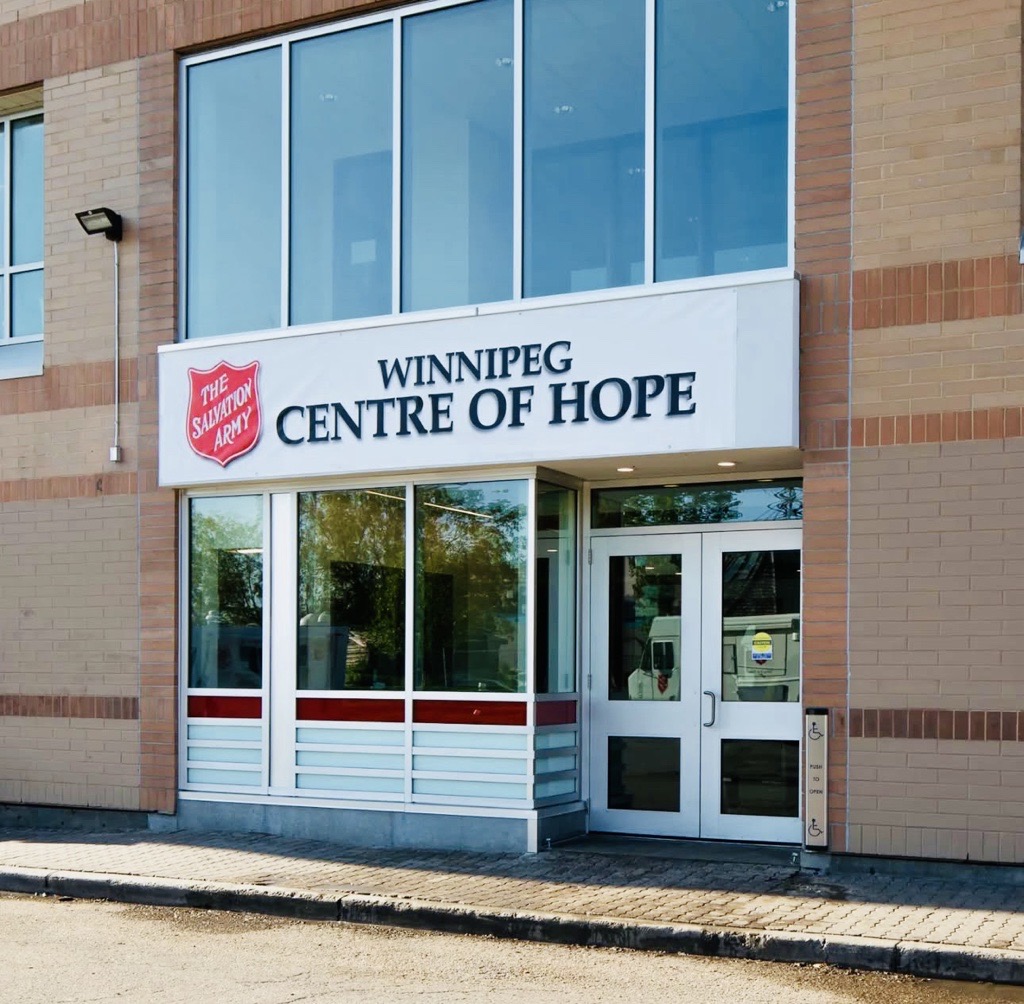
The Salvation Army Anchorage Booth Centre (now Winnipeg Centre of Hope) at 180 Henry Avenue provides residential addiction recovery, emergency shelter, transitional housing, aftercare, and wraparound community support for individuals and families in Winnipeg's core.
Attitude Centre de Ressourcement
Centre Attitude de Ressourcement in Piedmont, Quebec offers intensive residential addiction treatment in the Laurentians, emphasizing personal transformation and reconnection with self.
Awakenings Health and Wellness Centre
Awakenings Health and Wellness Centre in Abbotsford offers medically supervised detox, inpatient residential treatment, holistic therapy, and outpatient services for individuals dealing with alcohol, opioid, benzodiazepine, and other substance use disorders in the Fraser Valley.
BC Teen Challenge's Okanagan Men's Centre in Lake Country is a long-term faith-based residential recovery program for men, offering a minimum 12-month live-in program plus 18-month aftercare in a rural Okanagan Valley setting with holistic programming and Christ-centred recovery.
The Salvation Army Victoria ARC's Beacon of Hope House in Victoria provides inpatient residential addiction recovery, housing support, holistic counselling, and community services for individuals navigating addiction and homelessness on Vancouver Island.
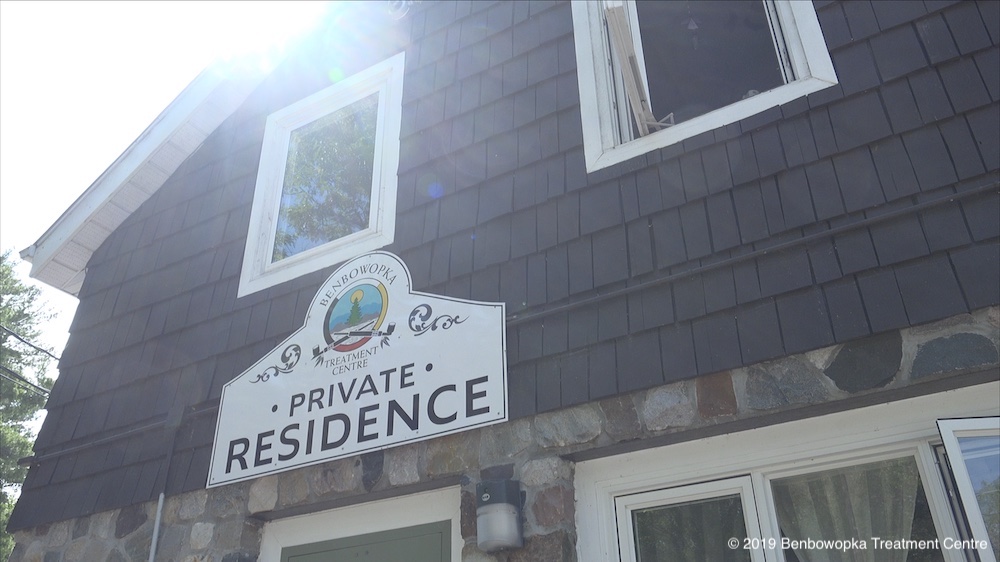
Benbowopka Treatment Centre
Benbowopka Treatment Centre in Blind River, Ontario is an Indigenous-led residential treatment centre founded by seven First Nations communities, offering culturally based harm-reduction inpatient and outpatient programming.
Bonnyville Indian Metis Rehabilitation Centre is a licensed 42-day residential addiction treatment facility in Bonnyville, Alberta, offering individualized, culturally grounded care that blends Indigenous healing practices with professional counselling for alcohol and drug addiction.
Brock Cottage
Brock Cottage in Brockville, Ontario is an LLGAMH residential addiction treatment home for men 19+, offering a long-term abstinence-based program of 5–7 months with therapeutic community programming.
Centre de Readaptation en Dependance de Lanaudiere - Centre Andre-Boudreau
Centre André-Boudreau in Saint-Jérôme, Quebec provides specialized outpatient addiction rehabilitation for youth and adults in the Lanaudière region, integrated within the CISSS de Lanaudière health network.
Centre de Readaptation Ubald-Villeneuve
Centre de Réadaptation Ubald-Villeneuve in Quebec City is the Capitale-Nationale's only public specialized addiction facility, offering residential, IOP, and dual diagnosis programming for youth and adults.
Centre Walgwan
Centre Walgwan in Maria, Quebec provides culturally grounded residential and outpatient addiction treatment for Indigenous youth, focused on empowering autonomous and resilient young people.
Chabad Project Pride
Chabad Project Pride in Montreal provides outpatient addiction counselling and recovery support informed by Jewish values, serving individuals and families through Chabad Lifeline's community-centred programs.
Champagne and Aishihik First Nations Wellness Program
Champagne and Aishihik First Nations Wellness Program in Haines Junction, Yukon provides community-based outpatient addiction and wellness services grounded in Southern Tutchone culture.
Charles J. Andrew Healing Centre in Sheshatshiu, Labrador is a CAC-accredited 10-bed Indigenous residential treatment facility offering 12-week adult programs and youth services combining 50% clinical trauma-informed care with 50% Nutshimit land-based healing for Innu and First Nations peoples.
Charlford House in Burnaby is a 15-bed, 90-day residential recovery program for women 19+, offering trauma-informed, abstinence-based treatment using a Surrogate Family Model, Twelve-Step programming, holistic therapies, and aftercare support as part of the Together We Can network.
Cochrane District Detoxification Centre
Cochrane District Detoxification Centre in Smooth Rock Falls, Ontario is a 27-bed residential detox facility offering bilingual, 24/7 withdrawal management with culturally safe programming for northeastern Ontario communities.
Get Help Now
Speak with an addiction specialist about methamphetamine addiction treatment treatment options.
+1-877-254-3348Get Support