Heroin Addiction Treatment
Find Heroin Addiction Treatment centers across Canada. Browse verified treatment facilities offering evidence-based programs for heroin addiction.
Medical disclaimer: This content is for informational purposes only and does not constitute medical advice, diagnosis, or treatment. Always consult a qualified healthcare professional before making decisions about addiction treatment.
Heroin addiction treatment in Canada offers medically supervised detox and long-term rehabilitation programs designed to address the complex physical and psychological aspects of heroin use disorder. Canadian treatment centres provide opioid agonist therapy, residential care, and outpatient support to help individuals achieve sustained recovery.
Understanding Heroin Addiction
Heroin is a highly addictive opioid drug synthesized from morphine, which comes from opium poppy plants. It appears as a white or brown powder, or as a black sticky substance known as “black tar heroin.” Once Canada’s most feared illicit opioid, heroin use has declined as fentanyl has overtaken the drug supply. However, heroin addiction remains a significant problem, and today’s street heroin is frequently contaminated with fentanyl—making it far more dangerous than ever before.
Heroin can be injected, snorted, or smoked. When injected, it reaches the brain within seconds, producing an intense “rush” of euphoria. This rapid onset makes heroin extremely addictive—many users report becoming dependent after just a few uses. With repeated use, the brain adapts by reducing natural opioid production and decreasing receptor sensitivity, leading to tolerance (needing more to feel effects) and physical dependence (experiencing withdrawal without the drug).
Overdose Risk
Heroin suppresses breathing and heart rate. Overdose causes respiratory failure and death within minutes. Today’s biggest risk: fentanyl contamination. Street heroin may contain unpredictable amounts of fentanyl, dramatically increasing overdose danger.
Warning Signs
- • Track marks or scarring from injection
- • Constricted (pinpoint) pupils
- • Drowsiness, “nodding off”
- • Slurred speech, slowed movements
- • Withdrawal symptoms (sweating, vomiting, muscle aches)
Treatment Works
Medication-Assisted Treatment (MAT) with buprenorphine or methadone reduces overdose deaths by 50% and significantly improves long-term recovery rates. Combined with behavioral therapy, recovery is possible.
Heroin in Canada’s Opioid Crisis
While heroin once dominated the illicit opioid market, fentanyl has largely replaced it in Canada’s drug supply. Data from Health Canada shows:
- • 96% of opioid deaths in 2022 involved fentanyl or analogues
- • Pure heroin without fentanyl is increasingly rare
- • Many people seeking heroin unknowingly consume fentanyl
- • Treatment approach is the same for both: Medication-Assisted Treatment (MAT)
Source: Health Canada Opioid and Stimulant-related Harms (March 2023)
How Heroin Affects the Brain and Body
Heroin enters the brain rapidly and converts back into morphine. It binds to opioid receptors throughout the brain, spinal cord, and other organs. This produces several effects:
- • Euphoria (“rush”): Intense pleasure from dopamine flooding the reward system
- • Pain relief: Blocking of pain signals in the nervous system
- • Sedation: Deep relaxation, drowsiness, mental clouding
- • Slowed breathing: Depressed respiratory function (can cause death in overdose)
- • Reduced heart rate: Slowed cardiovascular function
With repeated use, the brain undergoes neuroadaptation: natural endorphin production decreases, opioid receptors become less sensitive, and the brain becomes dependent on external opioids to function normally. This creates both tolerance (needing more for the same effect) and physical dependence (experiencing withdrawal when the drug wears off).
Health Consequences of Heroin Use
Short-Term Effects
- • Immediate: Euphoric rush, warm flushing, dry mouth, heavy limbs
- • Following hours: Drowsiness, clouded thinking, slowed breathing/heart rate
- • Overdose risk: Respiratory depression, unconsciousness, coma, death
- • Injection risks: Collapsed veins, infection at injection sites, blood-borne diseases
Long-Term Damage
- • Infectious disease: HIV, hepatitis C (shared needles)
- • Bacterial infections: Endocarditis (heart valve infection), cellulitis, abscesses
- • Lung complications: Pneumonia, tuberculosis
- • Liver/kidney damage: Especially from adulterants in street heroin
- • Mental health: Depression, antisocial personality disorder
- • Cognitive impairment: Memory problems, decision-making deficits
Heroin Withdrawal
Heroin withdrawal is not medically dangerous (unlike alcohol or benzodiazepine withdrawal) but is extremely uncomfortable and drives relapse. Symptoms begin 6-12 hours after last use and peak at 1-3 days:
Early Symptoms (6-12 hours)
- • Muscle aches and pain
- • Restlessness and agitation
- • Anxiety and insomnia
- • Sweating and tearing
- • Runny nose and yawning
Peak Symptoms (1-3 days)
- • Severe muscle cramps
- • Nausea and vomiting
- • Diarrhea and abdominal cramping
- • Dilated pupils and goosebumps
- • Rapid heartbeat
- • Intense drug cravings
Acute withdrawal symptoms subside after 5-10 days, but post-acute withdrawal syndrome (PAWS)— anxiety, depression, insomnia, cravings—can persist for weeks or months.
Evidence-Based Treatment for Heroin Addiction
Medication-Assisted Treatment (MAT) is the gold standard for heroin addiction. Research consistently shows MAT reduces overdose deaths by 50%, improves treatment retention, and supports long-term recovery when combined with behavioral therapy.
FDA-Approved Medications for Heroin Addiction
Buprenorphine (Suboxone, Sublocade)
Partial opioid agonist that reduces cravings and prevents withdrawal without significant euphoria. Available as sublingual film/tablet (taken daily at home) or monthly injection (Sublocade).
- • Can be prescribed by certified physicians/nurse practitioners
- • Take-home dosing allows more flexibility than methadone
- • “Ceiling effect” reduces overdose risk compared to full agonists
Methadone
Full opioid agonist dispensed daily at specialized clinics. Long-acting (24-36 hours) prevents withdrawal and reduces cravings. Highly effective for severe heroin addiction.
- • Reduces overdose death risk by 50-75%
- • Requires daily clinic visits initially (take-home doses earned over time)
- • Strong evidence base—used for decades
Naltrexone (Vivitrol)
Opioid antagonist (blocker) given as monthly injection. Prevents heroin from producing effects, reducing relapse if use occurs.
- • Requires 7-10 days completely opioid-free before starting
- • Non-addictive (no opioid activity)
- • Best for highly motivated individuals after completing detox
Treatment Duration: What the Research Shows
MAT works best when maintained for at least 12 months, with many experts recommending longer durations. Research shows:
- • Staying on MAT for 12+ months reduces relapse by 50% compared to shorter durations
- • Many individuals benefit from maintenance MAT for years (similar to managing diabetes or hypertension)
- • Early discontinuation dramatically increases overdose risk due to lowered tolerance
- • Treatment should be individualized—work with your medical team to determine the right timeline
Behavioral Therapies
MAT is most effective when combined with counseling and behavioral support:
Cognitive Behavioral Therapy (CBT)
Helps identify triggers for drug use, develop healthy coping strategies, and modify thought patterns that lead to relapse. Strong evidence for opioid use disorder treatment.
Contingency Management
Provides tangible rewards (vouchers, prizes) for verified abstinence through drug testing. Particularly effective for promoting initial abstinence during early recovery.
Group Counseling & Peer Support
Mutual-help groups (Narcotics Anonymous, SMART Recovery) and structured group therapy provide community, accountability, and learning from others in recovery.
Finding Heroin Treatment in Canada
When seeking treatment for heroin addiction, look for programs that offer:
- • Medication-Assisted Treatment: Buprenorphine or methadone programs
- • Medical detox capabilities: Safe withdrawal management if needed
- • Dual diagnosis treatment: Many heroin users have co-occurring mental health conditions (depression, anxiety, PTSD)
- • Infectious disease screening: Testing and treatment for HIV, hepatitis C
- • Continuing care planning: Connection to ongoing MAT providers, counseling, and support groups after residential treatment
- • Harm reduction services: Naloxone training, safe injection education for those not yet ready for abstinence
Harm Reduction: Staying Safe
If you’re not ready for treatment yet, harm reduction strategies can save your life:
- • Carry naloxone (Narcan): Available FREE at Canadian pharmacies—reverses overdoses
- • Never use alone: Use with someone who can call 911
- • Use fentanyl test strips: Test drugs for fentanyl contamination (available at harm reduction sites)
- • Start small: Test dose potency before using a full amount
- • Use clean needles: Prevents HIV, hepatitis C, and bacterial infections
- • Know supervised consumption sites: Legal sites where trained staff can reverse overdoses immediately
Sources & References
1. National Institute on Drug Abuse (NIDA). Heroin Research Report. 2024.
2. Health Canada & Public Health Agency of Canada. Opioid and Stimulant-Related Harms. 2023. health-infobase.canada.ca
3. Canadian Research Initiative in Substance Misuse (CRISM). National Guideline for the Clinical Management of Opioid Use Disorder. 2023.
4. CAMH (Centre for Addiction and Mental Health). Opioid Use Disorder Treatment. 2024.
5. SAMHSA. Medication-Assisted Treatment (MAT). 2024.
6. Lancet Public Health. Effectiveness of Medication-Assisted Treatment for Opioid Use Disorder. 2023.
7. Journal of Addiction Medicine. Duration of Medication-Assisted Treatment and Relapse Rates. 2023.
Get Help for Heroin Addiction
Heroin addiction is dangerous and often deadly, but recovery is absolutely possible. Medication-Assisted Treatment combined with counseling gives you the best chance at long-term success. Don’t wait— every day increases the risk of fatal overdose.
Sources & Further Reading
Last reviewed
April 14, 2026
Treatment Centers for Heroin Addiction
Charles J. Andrew Healing Centre in Sheshatshiu, Labrador is a CAC-accredited 10-bed Indigenous residential treatment facility offering 12-week adult programs and youth services combining 50% clinical trauma-informed care with 50% Nutshimit land-based healing for Innu and First Nations peoples.
Charlford House in Burnaby is a 15-bed, 90-day residential recovery program for women 19+, offering trauma-informed, abstinence-based treatment using a Surrogate Family Model, Twelve-Step programming, holistic therapies, and aftercare support as part of the Together We Can network.

Foothills Detox Centre is an Alberta Health Services medical detoxification facility in Fort Macleod offering clinically supervised withdrawal management for alcohol, opioids, fentanyl, methamphetamine, cocaine, and benzodiazepines.
iRecover Alberta is a CARF-certified residential addiction treatment centre in Tees, Alberta, offering medically supervised detox, inpatient treatment for a wide range of substances, and a lifetime aftercare program with no referral required.

Last Door Adult Program is an Accreditation Canada-certified 90-day residential treatment program for men 19+ in New Westminster, BC, offering medical detox, integrated community social model recovery, Keystone Retreat access, co-occurring disorder treatment, and comprehensive family programming.
Medical Detox Ontario
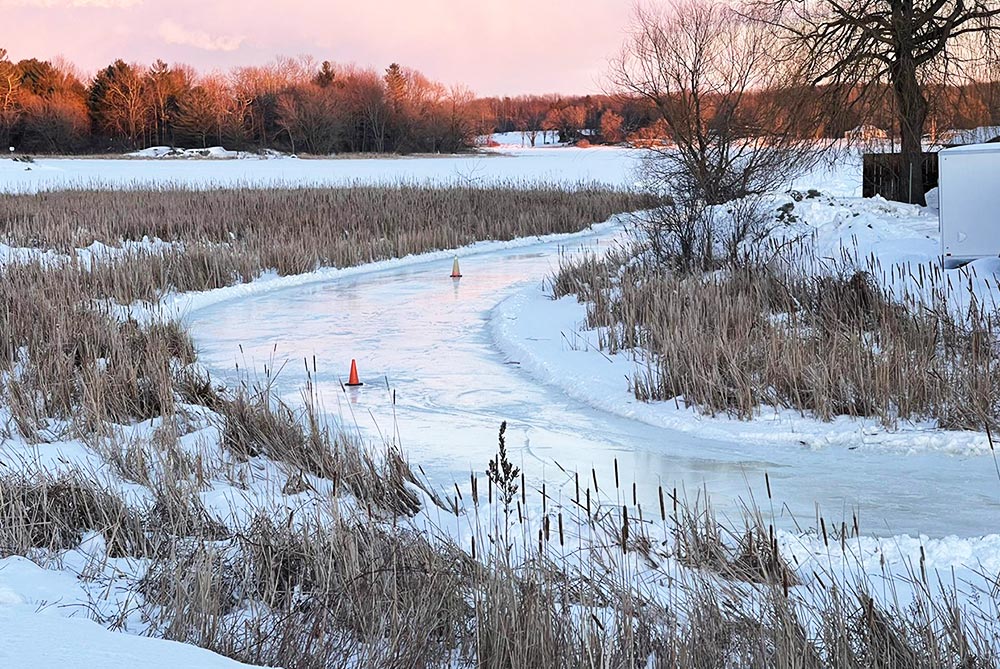
Medical Detox Ontario (1000 Islands Addiction Treatment Centre) is a CARF-accredited private facility in the Thousand Islands region offering medically supervised detox and gender-specific addiction treatment.
Neworld Medical Detox
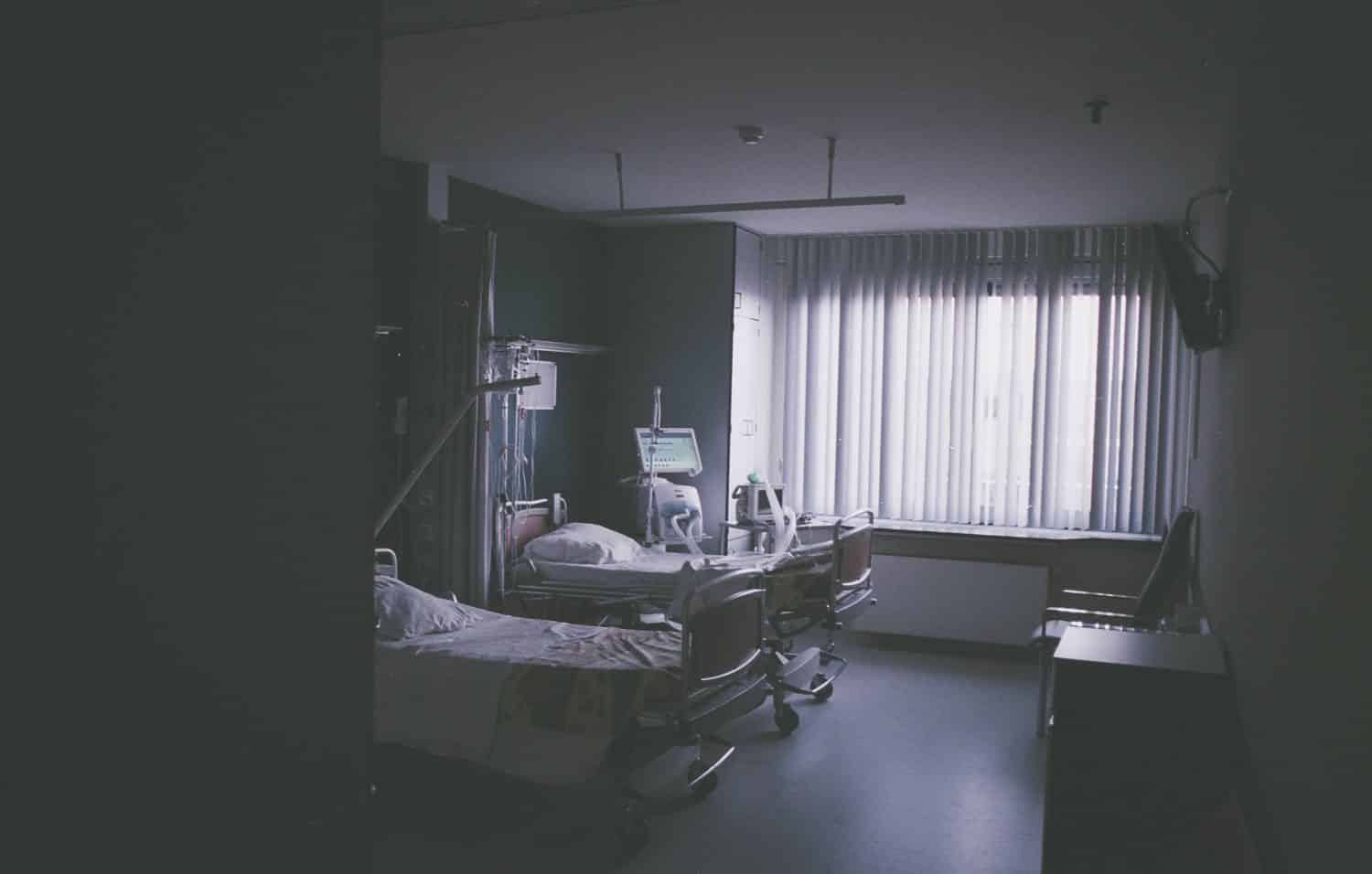
Neworld Medical Detox (now Trafalgar Addiction Treatment Centres) in Limehouse, Ontario offers CARF-accredited medical detox and gender-specific residential addiction treatment for alcohol, opioids, and other substances.
Phoenix Centre (Day One Society) in Kamloops provides detoxification services, outpatient addiction counselling, youth and family support, and transitional living programs for individuals navigating substance use recovery in the Thompson-Nicola region of BC.
Robert Simard Centre
Robert Simard Centre in Meadow Lake, Saskatchewan is a Saskatchewan Health Authority voluntary social detoxification unit offering 7–10 day medically supervised withdrawal support for adults in northern Saskatchewan.
Souris Hospital
Souris Hospital (Health PEI) provides publicly funded addiction treatment including medical detox, intensive outpatient, and partial hospitalization programs for residents of eastern Prince Edward Island.
The Farm Rehab
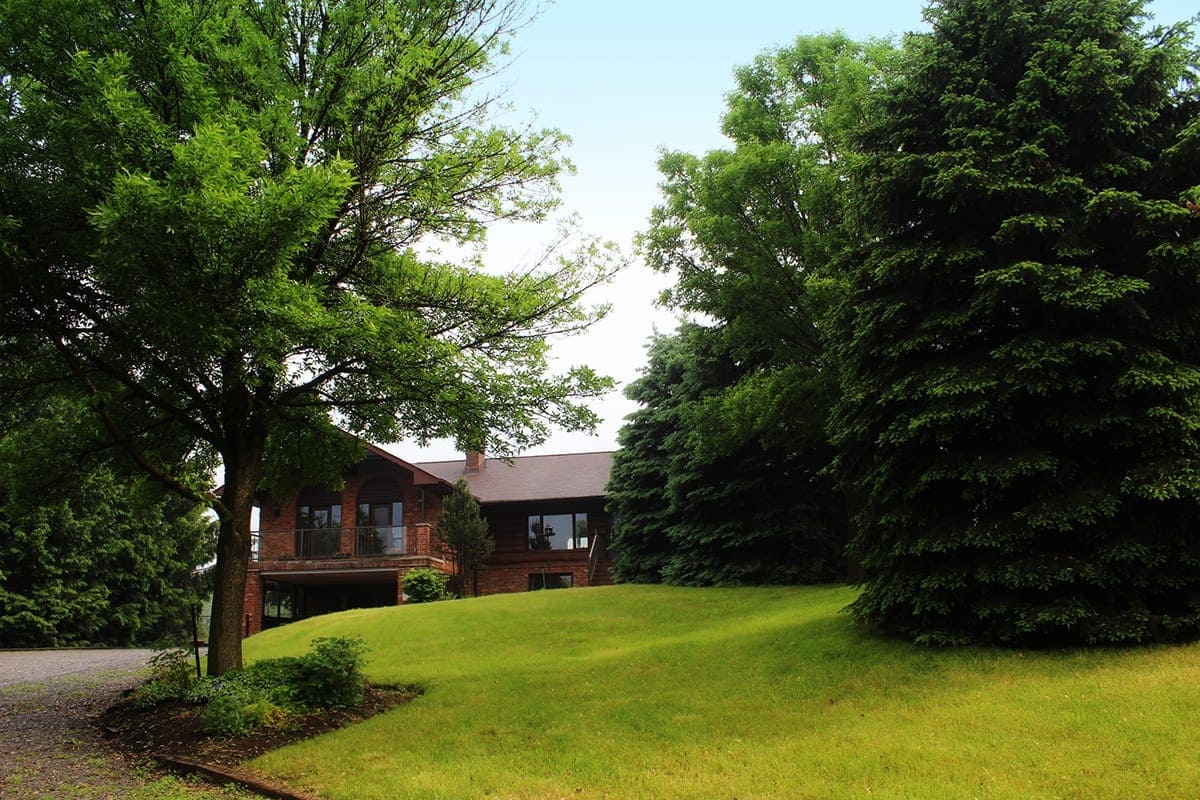
The Farm Rehab in Stouffville, Ontario offers private gender-specific residential addiction treatment with medical detox, holistic therapies, and evidence-based programming for alcohol, opioids, and other substances.
Get Help Now
Speak with an addiction specialist about heroin addiction treatment treatment options.
+1-877-254-3348Get Support