Cannabis Addiction Treatment
Find Cannabis Addiction Treatment centers across Canada. Browse verified treatment facilities offering evidence-based programs for cannabis addiction.
Medical disclaimer: This content is for informational purposes only and does not constitute medical advice, diagnosis, or treatment. Always consult a qualified healthcare professional before making decisions about addiction treatment.
Cannabis addiction treatment in Canada offers structured programs for individuals struggling with cannabis use disorder, including counselling, behavioural therapy, and outpatient support. While often considered less severe than other dependencies, cannabis use disorder can significantly impact daily functioning, and Canadian rehab centres provide specialized care to support recovery.
Understanding Cannabis Use Disorder
Cannabis (marijuana) is the most widely used illicit substance in Canada. While often perceived as harmless, regular cannabis use can lead to Cannabis Use Disorder (CUD)—a recognized substance use disorder characterized by problematic use, tolerance, withdrawal symptoms, and difficulty stopping despite negative consequences. According to Statistics Canada, approximately 27% of Canadians aged 15+ used cannabis in the past year, with 3-9% meeting criteria for Cannabis Use Disorder.
Cannabis contains over 100 cannabinoids, with THC (delta-9-tetrahydrocannabinol) being the primary psychoactive compound. Modern cannabis products are significantly more potent than historical strains—average THC concentrations have increased from 4% in the 1990s to 15-25% in flower and 70-90% in concentrates/extracts. This increased potency correlates with higher addiction risk and more severe withdrawal symptoms.
Addiction is Real
Approximately 1 in 10 cannabis users develop addiction (Cannabis Use Disorder). For those who start in adolescence, the rate increases to 1 in 6 (16%). Daily users have 25-50% chance of developing dependence.
Adolescent Brain Risk
Cannabis use during adolescence (when the brain is still developing) is linked to lower IQ, impaired memory and executive function, increased risk of psychotic disorders, and structural brain changes that may be permanent.
Withdrawal Exists
Regular cannabis users experience withdrawal symptoms when stopping: irritability, anxiety, insomnia, decreased appetite, restlessness, and intense cravings. Withdrawal peaks at 2-6 days and can last 2-4 weeks.
Cannabis Use in Canada
According to Health Canada and Statistics Canada (post-legalization data):
- 27% of Canadians aged 15+ used cannabis in the past year (2023)
- 7% are daily or near-daily users (approximately 2.3 million Canadians)
- Youth rates remain high: 20% of youth aged 16-19 used cannabis in past 3 months
- 3-9% of users meet diagnostic criteria for Cannabis Use Disorder
- Impaired driving: Cannabis detected in 25% of fatally injured drivers in Canada
- Mental health: Heavy cannabis use linked to higher rates of psychosis, depression, anxiety
Sources: Health Canada Canadian Cannabis Survey (2023); Statistics Canada National Cannabis Survey (2023)
How Cannabis Affects the Brain
Cannabis works by binding to cannabinoid receptors (CB1 and CB2) in the endocannabinoid system— a complex cell-signaling system involved in regulating mood, memory, appetite, pain, and sleep. THC mimics naturally occurring endocannabinoids (like anandamide), flooding the system and producing:
- Euphoria: Activation of reward pathways (dopamine release)
- Altered perception: Changes in sensory experience and time perception
- Relaxation: Reduction in anxiety (at low doses; increases anxiety at high doses)
- Impaired memory: Disruption of hippocampal function (short-term memory formation)
- Coordination problems: Impairment of motor control and reaction time
With chronic use, the brain adapts by downregulating cannabinoid receptors and reducing natural endocannabinoid production. This creates tolerance (needing more to achieve the same effect) and dependence (requiring cannabis to feel normal). When heavy users stop, the endocannabinoid system is dysregulated—causing withdrawal symptoms until the brain readjusts.
Health Risks of Cannabis Use
Short-Term Effects
- • Cognitive impairment: Memory, attention, decision-making deficits while intoxicated
- • Impaired driving: Doubled crash risk; THC impairs reaction time and judgment
- • Acute psychosis: Paranoia, hallucinations (especially high-THC products)
- • Cardiovascular stress: Increased heart rate; heart attack risk in vulnerable individuals
- • Respiratory irritation: Coughing, bronchitis (smoking cannabis)
Long-Term Consequences
- • Addiction: Cannabis Use Disorder in 10-30% of users (dose-dependent)
- • Cognitive decline: IQ loss, executive dysfunction (especially adolescent-onset use)
- • Mental illness: Increased risk of schizophrenia, depression, anxiety disorders
- • Respiratory disease: Chronic bronchitis, lung damage (smoking)
- • Amotivational syndrome: Reduced motivation, apathy, underachievement
Cannabis and Psychosis: The Evidence
Large-scale research has established a dose-dependent relationship between cannabis use and psychotic disorders:
- • Daily cannabis use increases schizophrenia risk by 5x compared to non-users
- • High-potency cannabis (>10% THC) carries even greater risk—especially in adolescents
- • Those with genetic predisposition (family history of psychosis) are particularly vulnerable
- • Cannabis-induced psychosis often precedes full schizophrenia diagnosis
Youth and young adults: The earlier someone starts using cannabis and the heavier the use, the higher the risk of developing a psychotic disorder. If you have family history of schizophrenia or bipolar disorder, cannabis use is strongly discouraged.
Signs of Cannabis Addiction
Cannabis addiction develops gradually. Common signs include:
- Using more cannabis or for longer periods than intended
- Unsuccessful attempts to cut down or stop using
- Spending significant time obtaining, using, or recovering from cannabis
- Strong cravings or urges to use cannabis
- Failing to meet responsibilities at work, school, or home due to use
- Continued use despite relationship or social problems
- Giving up important activities because of cannabis use
- Using cannabis in dangerous situations (e.g., before driving)
- Continued use despite physical or mental health problems
- Needing more cannabis to achieve the same effect (tolerance)
- Experiencing withdrawal symptoms when not using
Cannabis Withdrawal Syndrome
Many people are unaware that cannabis causes withdrawal. Heavy, regular users (especially daily users) commonly experience withdrawal symptoms when stopping:
Common Withdrawal Symptoms
- • Irritability, anger, aggression
- • Anxiety and nervousness
- • Insomnia and sleep disturbances
- • Decreased appetite
- • Restlessness and agitation
- • Depression and low mood
- • Intense cravings for cannabis
- • Physical symptoms: headaches, sweating, stomach pain
Timeline
- • Days 1-3: Symptoms begin, irritability and insomnia prominent
- • Days 2-6: Peak intensity—most uncomfortable period
- • Week 2-4: Symptoms gradually improve but cravings persist
- • Weeks 4-12: Sleep and mood normalize, cravings decrease
- • Note: Some users experience protracted symptoms (low mood, sleep issues) for months
Treatment for Cannabis Use Disorder
There are no FDA-approved medications for cannabis use disorder. Treatment relies on behavioral interventions, with several evidence-based approaches showing effectiveness:
Evidence-Based Treatment Approaches
Cognitive Behavioral Therapy (CBT)
The most widely studied treatment for cannabis use disorder. CBT helps identify triggers, develop coping strategies, challenge thoughts that lead to use, and prevent relapse. Research shows CBT doubles abstinence rates compared to no treatment.
Motivational Enhancement Therapy (MET)
Brief intervention (2-4 sessions) designed to build motivation for change. Particularly effective for ambivalent users who aren’t sure they want to quit. MET helps resolve ambivalence and commit to treatment goals.
Contingency Management (CM)
Provides tangible rewards (vouchers, prizes) for verified abstinence through drug testing. Strongest evidence for promoting initial abstinence. Most effective when combined with CBT or MET.
Adolescent Community Reinforcement Approach (A-CRA)
Comprehensive treatment designed specifically for adolescents with cannabis use disorder. Involves family therapy, social skills training, communication training, and development of non-drug activities. Strong evidence for teen cannabis users.
Support Groups & Peer Support
Marijuana Anonymous (MA), SMART Recovery, and other mutual-help groups provide ongoing support, accountability, and community. Free and widely available—important for long-term recovery.
What About Medication?
While no medications are approved for cannabis use disorder, research is exploring several options:
- • NAC (N-Acetylcysteine): Amino acid supplement showing promise for reducing cravings in adolescents
- • Gabapentin: May reduce withdrawal symptoms and improve sleep
- • Zolpidem: For severe insomnia during withdrawal (short-term only)
- • SSRIs: For co-occurring depression/anxiety (not cannabis-specific)
These are used off-label and should only be prescribed by a physician as part of comprehensive treatment. The core of cannabis treatment remains behavioral therapy.
Special Considerations: Adolescents & Young Adults
Cannabis use during adolescence carries unique risks because the brain is still developing (continues until age ~25):
- Higher addiction risk (16% vs 10% in adults)
- More severe cognitive impairment (IQ loss, executive dysfunction)
- Structural brain changes in regions governing memory, emotion, decision-making
- Increased risk of psychotic disorders (schizophrenia, bipolar)
- Academic underachievement and reduced life outcomes
For parents: Early intervention is critical. If your teen is using cannabis regularly, professional help can prevent long-term consequences. Family-based treatments (A-CRA, multidimensional family therapy) show the best outcomes for adolescents.
Sources & References
1. Health Canada. Canadian Cannabis Survey 2023. canada.ca
2. Statistics Canada. National Cannabis Survey. 2023. statcan.gc.ca
3. Canadian Centre on Substance Use and Addiction (CCSA). Cannabis Use in Canada. 2024. ccsa.ca
4. Lancet Psychiatry. Association of Cannabis Potency with Mental Ill Health and Addiction. 2023.
5. American Psychiatric Association. Diagnostic and Statistical Manual of Mental Disorders (DSM-5). 2022.
6. National Institute on Drug Abuse (NIDA). Cannabis (Marijuana) Research Report. 2024.
7. Substance Abuse and Mental Health Services Administration (SAMHSA). Treatment for Marijuana Use Disorders. 2024.
8. Journal of the American Academy of Child & Adolescent Psychiatry. Treatment of Adolescent Cannabis Use Disorder. 2023.
Get Help for Cannabis Use Disorder
If cannabis is interfering with your life—work, relationships, health, or goals—treatment can help. Cannabis addiction is real, but recovery is absolutely possible. Evidence-based therapy can break the cycle and help you regain control.
Sources & Further Reading
Last reviewed
April 14, 2026
Treatment Centers for Cannabis Addiction
Akwesasne Addiction and Counselling Program
Akwesasne Addiction and Counselling Program provides community-based outpatient addiction counselling for Mohawk community members in Cornwall, Ontario, grounded in Kanien'kehá:ka cultural values.
Alcare Place (now 2 Denarii Society) in Halifax/Dartmouth provided an 11-bed one-year residential recovery program for men 19+, offering life skills, relapse prevention, individual counselling, and holistic care partnered with the Nova Scotia Department of Health and Wellness.
Alcove Addiction Recovery for Women
Alcove Addiction Recovery for Women is a Calgary treatment centre offering gender-specific inpatient, outpatient, IOP, and sober living programs with holistic therapies for women overcoming addiction to alcohol, drugs, and other substances.
Algoma Substance Abuse Rehabilitation Centre
Algoma Substance Abuse Rehabilitation Centre (Breton House) in Sault Ste. Marie provides gender-specific residential and outpatient addiction treatment for adults in the Algoma region.
Amethyst Women's Addiction Centre
Amethyst Women's Addiction Centre in Ottawa provides non-residential outpatient addiction and gambling treatment programs for women, offering individual and group counselling in English and French.
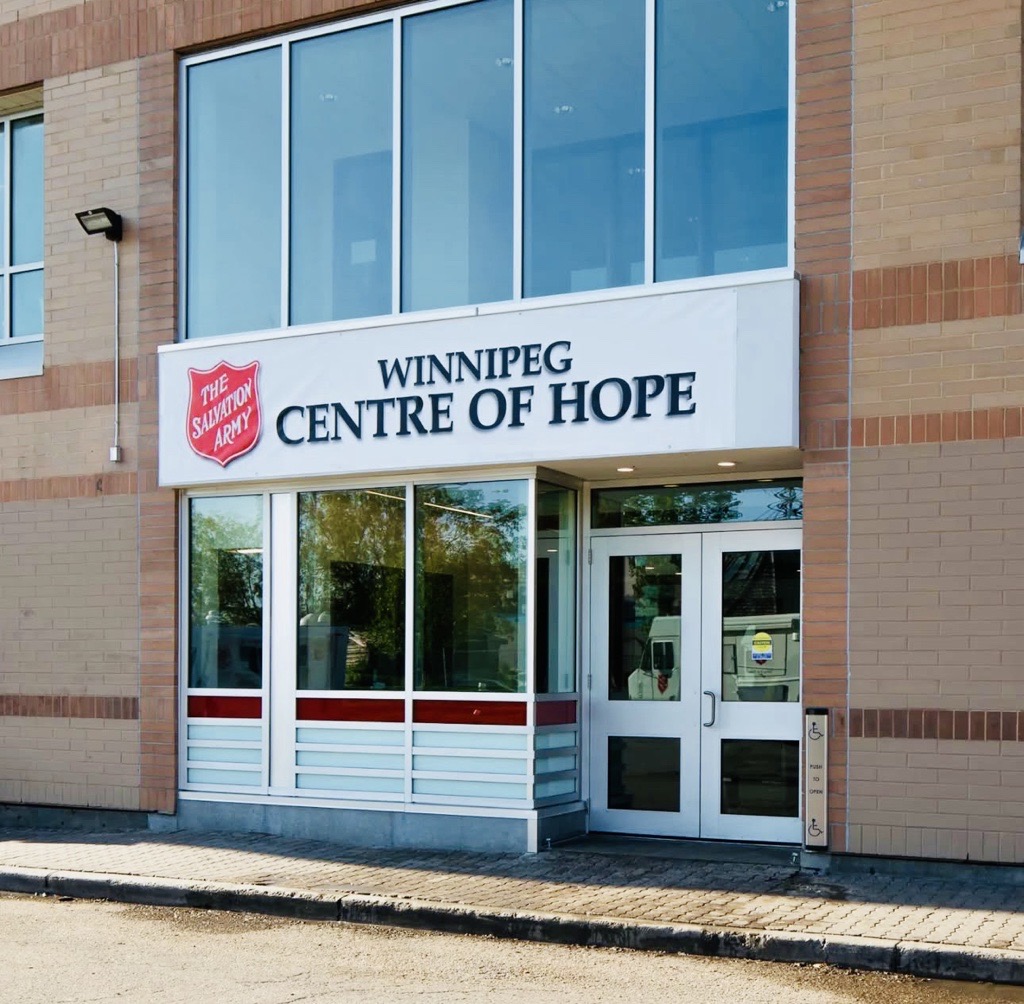
The Salvation Army Anchorage Booth Centre (now Winnipeg Centre of Hope) at 180 Henry Avenue provides residential addiction recovery, emergency shelter, transitional housing, aftercare, and wraparound community support for individuals and families in Winnipeg's core.
Athabasca Health Authority - Addiction Services
Athabasca Health Authority provides outpatient addiction and wellness services to five remote northern Saskatchewan communities including Black Lake and Fond du Lac Denesųłiné First Nations.
Attitude Centre de Ressourcement
Centre Attitude de Ressourcement in Piedmont, Quebec offers intensive residential addiction treatment in the Laurentians, emphasizing personal transformation and reconnection with self.
Awakenings Health and Wellness Centre
Awakenings Health and Wellness Centre in Abbotsford offers medically supervised detox, inpatient residential treatment, holistic therapy, and outpatient services for individuals dealing with alcohol, opioid, benzodiazepine, and other substance use disorders in the Fraser Valley.
BC Teen Challenge's Okanagan Men's Centre in Lake Country is a long-term faith-based residential recovery program for men, offering a minimum 12-month live-in program plus 18-month aftercare in a rural Okanagan Valley setting with holistic programming and Christ-centred recovery.
The Salvation Army Victoria ARC's Beacon of Hope House in Victoria provides inpatient residential addiction recovery, housing support, holistic counselling, and community services for individuals navigating addiction and homelessness on Vancouver Island.
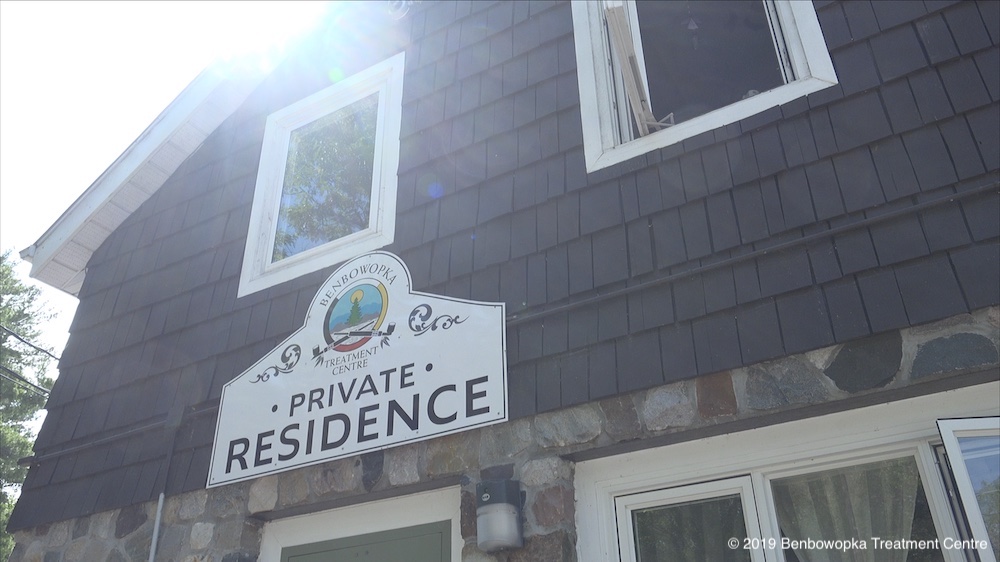
Benbowopka Treatment Centre
Benbowopka Treatment Centre in Blind River, Ontario is an Indigenous-led residential treatment centre founded by seven First Nations communities, offering culturally based harm-reduction inpatient and outpatient programming.
Bonnyville Indian Metis Rehabilitation Centre is a licensed 42-day residential addiction treatment facility in Bonnyville, Alberta, offering individualized, culturally grounded care that blends Indigenous healing practices with professional counselling for alcohol and drug addiction.
Brock Cottage
Brock Cottage in Brockville, Ontario is an LLGAMH residential addiction treatment home for men 19+, offering a long-term abstinence-based program of 5–7 months with therapeutic community programming.
Carcross/Tagish First Nation
Carcross/Tagish First Nation provides community-based outpatient addiction and wellness services grounded in Southern Tutchone and Tagish cultural traditions in Carcross, Yukon.

CIPTO in Gatineau, Quebec provides outpatient addiction intervention, prevention, and harm reduction services to individuals and communities across the Outaouais region.
Centre de Readaptation en Dependance de Lanaudiere - Centre Andre-Boudreau
Centre André-Boudreau in Saint-Jérôme, Quebec provides specialized outpatient addiction rehabilitation for youth and adults in the Lanaudière region, integrated within the CISSS de Lanaudière health network.
Centre de Readaptation Ubald-Villeneuve
Centre de Réadaptation Ubald-Villeneuve in Quebec City is the Capitale-Nationale's only public specialized addiction facility, offering residential, IOP, and dual diagnosis programming for youth and adults.
Centre Walgwan
Centre Walgwan in Maria, Quebec provides culturally grounded residential and outpatient addiction treatment for Indigenous youth, focused on empowering autonomous and resilient young people.
Chabad Project Pride
Chabad Project Pride in Montreal provides outpatient addiction counselling and recovery support informed by Jewish values, serving individuals and families through Chabad Lifeline's community-centred programs.
Get Help Now
Speak with an addiction specialist about cannabis addiction treatment treatment options.
+1-877-254-3348Get Support